General General 4 min read

Were you fooled?

Myths and stories behind famous brands: Are they true?

Image: Ana Dvoranen

Can you tell fact from fiction when it comes to major brands? Some stories sound too wild to be true—a $35 logo that became iconic, a soda once laced with cocaine, a chocolate tycoon who dodged the Titanic. In this article, your challenge is to guess whether the myths are true or false before we decode them. Ready to play Fact or Fiction ?

1
Nike’s Swoosh was created for $35

Image: Shubham Mittal

Yes, it was. The iconic Nike swoosh was sketched in 1971 by Carolyn Davidson, a graphic design student, for the grand sum of $35. She was helping out a friend—Nike co-founder Phil Knight—who needed a logo for his up-and-coming sneaker brand.

Years later, as Nike soared, the company gave her a thank-you gift: a gold swoosh ring and stock options that ended up being worth millions .

2
Coca-Cola originally contained cocaine

Image: Olena Bohovyk

It sounds like an urban legend, but it’s true: early versions of Coca-Cola did contain coca leaf extract , which naturally included trace amounts of cocaine. When pharmacist John Pemberton invented the drink in 1886, it was marketed as a "brain tonic" and nerve remedy, back when cocaine was legal and considered medicinal. By 1929, the formula was fully decocainized.

3
Neither Ben nor Jerry had any previous business experience

Image: Hybrid Storytellers

Absolutely. Longtime friends Ben Cohen and Jerry Greenfield took a $5 correspondence course in ice cream making from Penn State and launched their first scoop shop in a converted gas station in Vermont in 1978.

4
Barbie was based on a German adult doll

Image: Peyman Shojaei

True! She sure was. In the 1950s, Ruth Handler spotted a German novelty doll called Bild Lilli while on vacation. Originally sold as a gag gift for men, Lilli was fashionable, curvy, and definitely not meant for children. But Handler saw potential: she reimagined Lilli as a stylish role model for girls, and the first Barbie debuted in 1959.

5
Milton Hershey missed the Titanic voyage

Image: Janne Simoes

He definitely wasn’t on board—lucky for him! But just how close he came to sailing is uncertain. Legend has it that Milton Hershey and his wife were set to sail on the Titanic in 1912, but canceled at the last minute.

The only clue? A check stub showing a $300 deposit to the White Star Line. While there’s no confirmed ticket, the story has stuck.

6
GM hated (and banned) the nickname "Chevy"

Image: Jose Mueses

This one is partially true. In 2010, GM sent a memo urging employees to stop using the nickname "Chevy" in favor of the full "Chevrolet." The public backlash was swift—critics called the move tone-deaf. After all, "Chevy" was beloved, catchy, and woven into Americana.

Within days, the company backpedaled , assuring fans that "Chevy" wasn’t going anywhere. You just can’t mess with a nickname that’s already set in people’s hearts.

7
Apple was named after the forbidden fruit

Image: TheRegisti

Not quite. Steve Jobs chose the name "Apple" in 1976 because it sounded "fun, spirited, and not intimidating." It also gave the young company a strategic edge—it came before "Atari" in the phone book, which mattered in the era of printed directories.

8
Starbucks was named after Moby Dick’s first mate

Image: Athar Khan

Yes, though it was a winding path. The founders were searching for a name that evoked the seafaring tradition of coffee trading. After toying with " Pequod " (Captain Ahab’s ship), they landed on "Starbuck"—the first mate in Moby-Dick and a name with a strong, classic ring to it.

9
Harley-Davidson was going bankrupt, but its logo saved it

Image: Donald Teel

This one is sort of true. In the early 1980s, Harley-Davidson was revving on empty. The rise of Japanese bikes had them cornered—until the brand leaned hard into nostalgia . The bar-and-shield logo, dating back to 1910, became the centerpiece of a marketing push built on American pride, leather jackets, and the unmistakable growl of a V-twin engine.

It worked. The logo became a badge of rebellion, and Harley rebounded.

10
There’s an arrow hidden in FedEx’s logo

Image: Toni Pomar

Once you see it, you can’t unsee it. Look closely between the "E" and the "x" in the FedEx logo—there’s a white arrow formed by the negative space. It’s a perfect symbol for speed, direction, and efficiency.

The logo was designed in 1994 by Lindon Leader, and the hidden arrow was no accident. It’s a subtle nod to the company’s core promise: to get it there fast .

11
"Breakfast at Tiffany’s" launched the brand

Image: Sam Lashbrooke

False! Breakfast at Tiffany’s didn’t launch the brand. Tiffany & Co. had been around since 1837, known for fine jewelry and that iconic blue box. However, after the 1961 film, Audrey Hepburn’s little black dress and wistful gaze into the Tiffany’s shop window helped cement the brand’s image of elegance .

12
Levi’s blue jeans were created for gold miners

Image: Varun Gaba

Absolutely. In 1873, Levi Strauss and tailor Jacob Davis patented durable denim trousers with copper rivets— perfect for miners during the California Gold Rush . The jeans were tough, practical, and ideal for the grueling work conditions out west. In time, what began as rugged workwear became an American icon.

13
Amazon was named after "the biggest river"

Image: Sunrise King

Yes, it was intentional. Jeff Bezos wanted a name that conveyed vastness, exoticism, and would appear early in web listings . "Amazon" fit the bill—although it could have been named "Nile," which is often cited as the world’s longest river. Bezos liked the idea of building the biggest online store in the world, just like the Amazon is the biggest river by volume.

Geography Geography 3 min read

Only in America

Born in Accident, raised in Looneyville—the wildest U.S. town names

Image: Lachlan Donald

From puns to head-scratchers, some U.S. towns have names that sound like jokes—but they’re very real! Behind many of them lie strange stories, old legends, or just one stubborn settler with a sense of humor. From Accident to Booger Hole, and even straight-up Hell, these oddly named places tell stories of America’s diverse and often eccentric past. Here’s a coast-to-coast look at 10 towns that’ll make you do a double take.

1
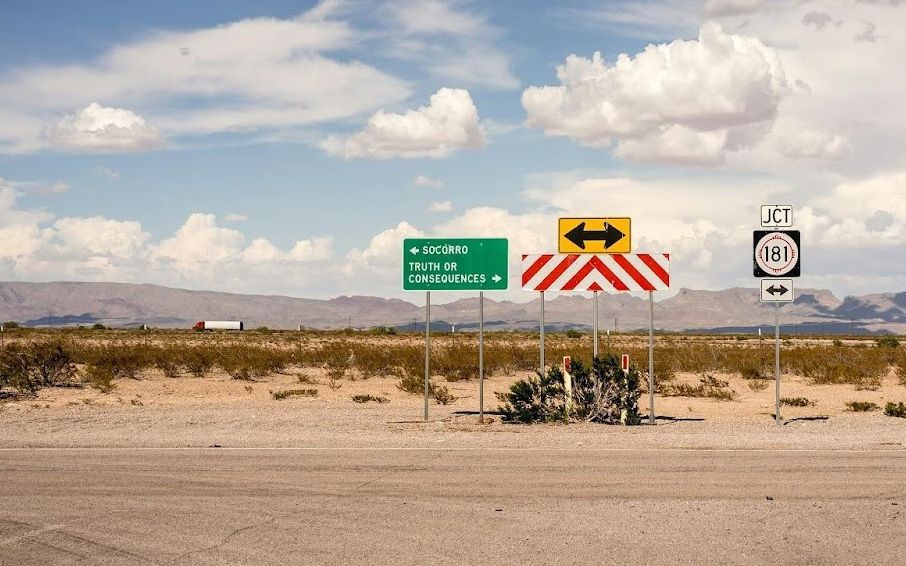
Truth or Consequences, New Mexico

Image: Lachlan Donald

Originally named Hot Springs, the town changed its name in 1950 after a popular radio show. Host Ralph Edwards had promised to broadcast from the first town that renamed itself after the program.

The publicity stunt worked—Edwards visited annually for the next 50 years. Despite its playful name, Truth or Consequences is a legitimate spa town, known for natural hot springs and health resorts.

2
Accident, Maryland

Image: David Trinks

Surveyors in the 1700s accidentally claimed the same plot of land twice, giving rise to the town’s odd name. The mistake was eventually resolved, but the name stuck.

Today, Accident is a quiet town in Garrett County with fewer than 400 residents. It occasionally draws attention from curious travelers and lovers of unique place names.

3
Boring, Oregon

Image: everett mcintire

Named after William H. Boring, a Civil War veteran who settled in the area. Locals embraced the name, even forming a tongue-in-cheek partnership with Dull, Scotland, and later Bland, Australia, to form the so-called "Trinity of Tedium"—all in good fun!

Boring capitalizes on the irony with signs that read, "The most exciting place to live." It’s a quiet suburb of Portland with a strong farming history.

4
Chicken, Alaska

Image: Yiyi Yang

Miners wanted to name it after the ptarmigan, a local bird, but couldn’t agree on the spelling , so they went with "Chicken" instead.

Located near the Canadian border, Chicken has no phone service and a population of fewer than 20. It remains a favorite roadside stop along the Taylor Highway.

5
Booger Hole, West Virginia

Image: Sharosh Rajasekher

Named after ghost stories and tales of mysterious disappearances in the early 1900s. "Booger" was slang for ghost or boogeyman.

The area gained notoriety for several unsolved crimes, adding to its spooky reputation. Today, it’s mostly a rural area with a curious past and no official signage.

6
Monkey’s Eyebrow, Kentucky

Image: Roger Starnes Sr

One origin story claims the name came from the area’s appearance on a map —it looked like the eyebrow on a monkey’s face.

Located in Ballard County, this unincorporated community doesn’t offer much beyond a memorable name. It’s a quiet farming region in western Kentucky.

7
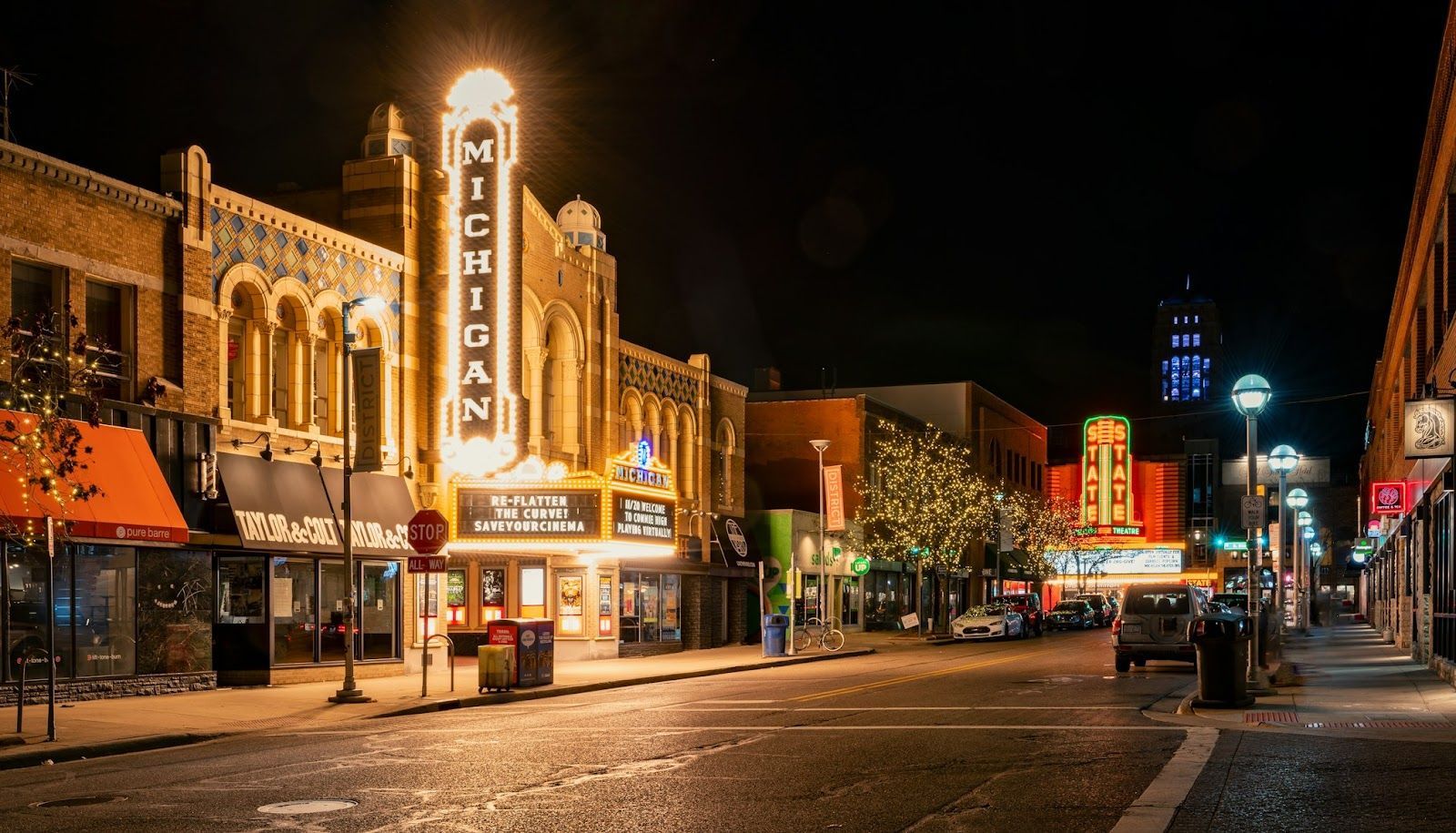
Hell, Michigan

Image: Brad Switzer

Allegedly, this name came from a German traveler’s comment, "So schön hell!" meaning "so beautifully bright." In a humorous twist, however, locals took the "hell" part literally.

Today, tourism thrives on the name, with themed businesses like the Hell Hole Diner and even a wedding chapel. You can even buy a square inch of "Hell" online.

8
No Name, Colorado

Image: Holly Mandarich

When building a highway exit, engineers labeled the spot "No Name" as a placeholder. Locals voted to keep it that way.

Located near Glenwood Springs, it’s known for No Name Creek and the No Name Tunnel. It remains a photo favorite along I-70.

9
Toad Suck, Arkansas

Image: Claud Richmond

Likely comes from riverboat crews who drank at the local tavern until they "swelled up like toads." The "suck" refers to a river eddy—a swirling current in the water.

Today, the town is best known for the annual Toad Suck Daze festival, which celebrates the odd name with music, food, and toad races.

10
Satan's Kingdom, Massachusetts

Image: Jeffrey Clayton

Located near Northfield, this ominously named unincorporated village borders the Connecticut River. Despite its fiery name, it’s a mostly quiet rural area.

Legend says the name came after a churchgoer left a sermon about hellfire and saw a forest fire raging across the river —declaring that "Satan’s Kingdom was burning." A similarly named area exists in Vermont as well.

11
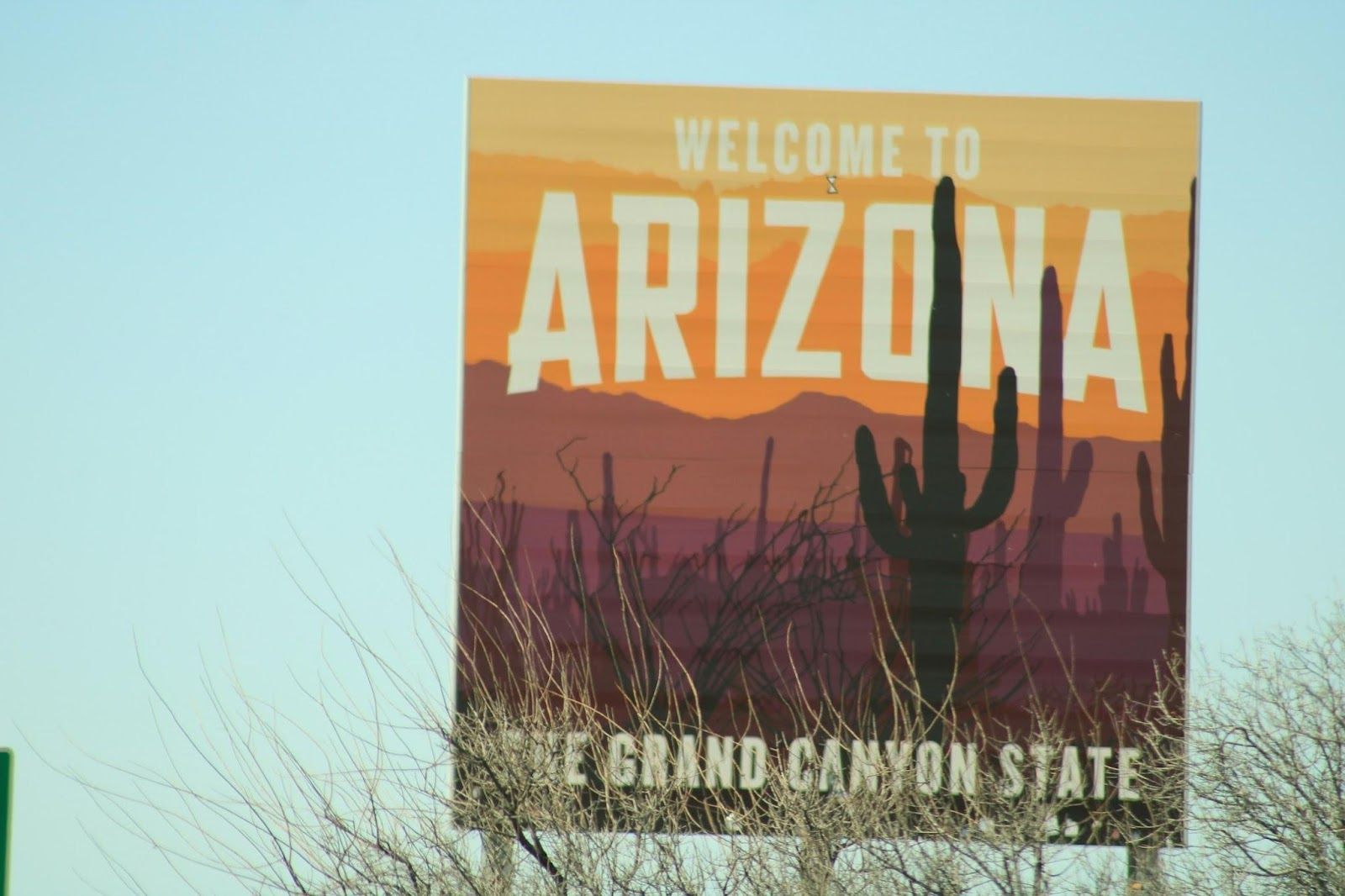
Why, Arizona

Image: Laura Mann

Named for the Y-shaped intersection of State Routes 85 and 86, the town had to adopt a name with at least three letters due to Arizona law, so "Y" became "Why."

Why lies near the Organ Pipe Cactus National Monument and remains a popular pit stop for desert road trippers.

12
Looneyville, Texas

Image: Vivian Arcidiacono

Named after store owner John Looney in the 1800s, Looneyville is not a joke—just an old Texas family name.

Looneyville is in Rusk County, deep in East Texas. It remains unincorporated but shows up on maps and road signs.

General General 4 min read

People’s early favorites

Every American remembers at least one of these children's books

Image: Josh Applegate

Do you remember the books you read as a kid? When we open those colorful pages at an impressionable age, the characters jump out and become our friends. Ducklings, wild things, and hungry caterpillars are still very much alive both in bookshelves and in our memories. Let’s explore some of the dearest children’s books in the US —we hope you find your favorite among them!

1
"The Very Hungry Caterpillar" by Eric Carle

Image: rbu1249

A must to start off this list: The visuals of The Very Hungry Caterpillar are ingrained in the upbringing of millions of kids throughout the country —and the world!

Eric Carle wrote and illustrated the story of a bug eating through several foods before transforming into a butterfly. Who could forget the tactile experience of finding different holes in the pages?

2
"Corduroy" by Don Freeman

Image: Susanne Jutzeler, suju-foto

In the world of children’s literature, Corduroy is a tear-jerker. A teddy bear sits on a store shelf hoping a kid will pick him. Little Lisa spots him but can’t afford him, and leaves. So the bear embarks on a quest to fix his missing button, hoping this will make him more likable.

In the end, Lisa comes back and buys him as he is —because, of course, he was always enough . Is there a sweeter story to teach kids about self-acceptance and love?

3
"Make Way for Ducklings" by Robert McCloskey

Image: David Trinks

A row of bronze statues in Boston’s Public Garden celebrates Make Way for Ducklings, the sweet book by illustrator and author Robert McCloskey.

He got the idea for this story when he observed ducks causing traffic issues on Beacon Street. The book follows Mr. and Mrs. Mallard as they search for the perfect place to raise their family —ducklings Jack, Kack, Lack, Mack, Nack, Ouack, Pack, and Quack. They finally settle, of course, in the lagoon of the Boston Public Garden.

4
"Charlotte's Web" by E.B. White

Image: Annie Spratt

Author E.B. White had a farm in Maine, and his daily observations of barnyard animals gave him an idea: What if a pig and a spider became best friends?

In the book, the spider weaves messages to convince humans that Wilbur is an extraordinary pig and should not be slaughtered. Charlotte’s Web brushes on themes like mortality and loss —certainly bold for a children’s book. Nonetheless, it became a timeless classic.

5
"The Cat in the Hat" by Dr. Seuss

Image: Franco Monsalvo

"Thing One" and "Thing Two" have to be among the longest-standing Halloween costumes in use. They were born thanks to Dr. Seuss’ famous The Cat in the Hat in the 50s, and every kid still seems to know its iconic characters.

The story shows a day in the life of two kids left home alone when a whimsical magical cat shows up to unleash some fun chaos. The author said that he wrote the book as a response to an article in Life Magazine that lamented the dullness of children’s primers.

6
"Frog and Toad Are Friends" by Arnold Lobel

Image: Jared Evans

Images of Frog and Toad still abound on the internet, which proves how beloved and timeless the pair became. Frog and Toad Are Friends was published in 1970 as the first in Arnold Lobel's famous series.

The wholesome dialogue, tender narratives, and classic illustrations left a lasting mark on generations of readers. Who could forget the simplicity of these two loyal friends riding a bike, flying a kite, or fishing from a boat?

7
"Goodnight Moon" by Margaret Wise Brown

Image: David_Miram

We couldn’t leave Goodnight Moon out of this list! Margaret Wise Brown wrote over 100 children’s books, but this one won the hearts of little readers and their parents.

It’s a bedtime story about a young bunny saying goodnight to everything around him , from "the great green room" to "the quiet old lady whispering ‘hush’." It shows an appeasing and sweet ritual that taught kids about routines through soothing rhymes.

8
"Where the Wild Things Are" by Maurice Sendak

Image: Adnan Uddin

In Where the Wild Things Are, mischievous young Max escapes into a vivid fantasy world after being sent to his room without dinner. There, he crosses a land of endearing monsters whom he leads as their king.

Maurice Sendak’s story and iconic illustrations captivated many generations of readers. The text was adapted into short films, a live-action film, and even an opera!

9
"Brown Bear, Brown Bear, What Do You See?" by Bill Martin Jr. and Eric Carle

Image: Daniel Diesenreither

Remember Eric Carle, author of The Very Hungry Caterpillar ? Before that big hit, he had been the illustrator for another unforgettable kid’s book: Brown Bear, Brown Bear, What Do You See?

This one was written by Bill Martin Jr. The rhyming question-response structure introduces readers to a series of animals described by their vibrant colors : a brown bear, a red bird, a yellow duck, and so on.

10
"The Phantom Tollbooth" by Norton Juster

Image: Jon Tyson

Maurice Sendak, the author of Where the Wild Things Are​ , said that The Phantom Tollbooth was a masterpiece.

This 1960s book by Norton Juster follows Milo, a bored young boy who unexpectedly receives a mysterious tollbooth that allows him to travel through fantastical lands. Juster said that the idea for this book was sparked from a random encounter with a curious child asking about infinity.

Explore more American facts

Choose your favorite category!

General
General

As American as apple pie—the very best America has to offer!

Culture
Culture

Delve into the astounding richness of American lore.

Geography
Geography

Hop in and explore vast and diverse American landscapes.

History
History

Discover the key moments that shaped the United States.